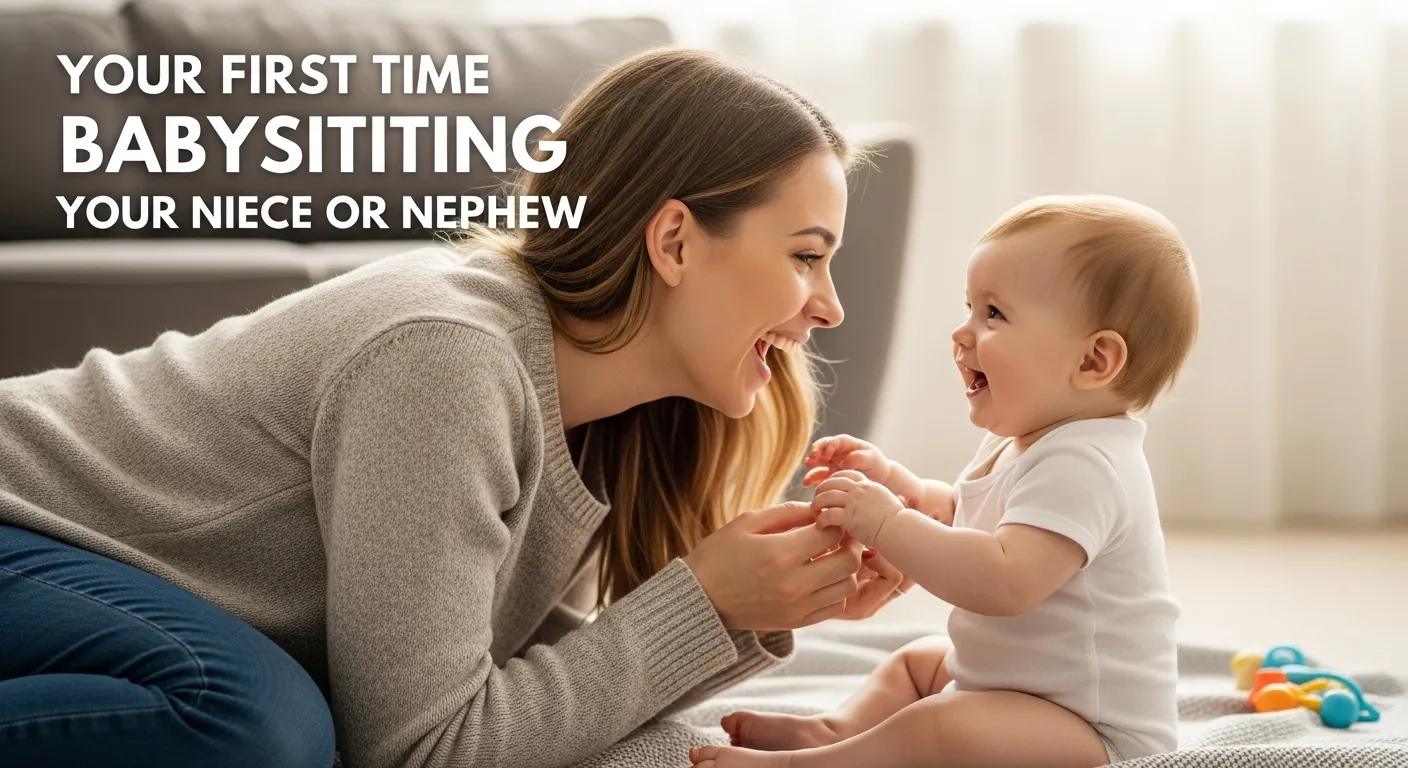
The parents have just asked you to babysit for the very first time. It is a moment filled with both excitement and a healthy dose of nerves. This is a huge sign of their trust in you and a major step in your relationship with your niece or nephew.
This is your chance to have some amazing one-on-one bonding time. But how can you make sure everything goes smoothly? The secret to this aunt’s survival guide to babysitting is all in the preparation. A little planning can turn a night of nerves into a night of fun.
The Essential “Handoff” Checklist
The most important thing to do before the parents leave is a thorough “handoff.” This means getting all of the critical information you need written down in one place. Your confidence will come from emergency preparedness.
Before the parents walk out the door, make sure you have a simple list with these key details:
- Your “Peace of Mind” Contact List: Jot down the parents’ cell phones, the pediatrician’s number, and a trusted neighbor’s number. This allows you to relax and focus on the fun.
- The Baby’s Schedule: Write down the routine maintenance details. What time is the next bottle? What are their sleepy cues? Is there a special routine for bedtime?
- A Quick “How To” Session: Ask for a quick tutorial on anything technical, like the bottle warmer or how to swaddle.
- The “What If” Information: Ask where the first aid kit is kept and confirm any allergies. Most importantly, ask “What is the best way to soothe them if they get really upset?”
3 Safety Rules You Cannot Ignore
Your number one job as a babysitter is to maintain a safe environment. This means following all of the safety rules the parents have in place and being watchful at all times.
Here are the three non-negotiable rules:
- Practice Safe Sleep: You must always place the baby on their back to sleep. The crib or bassinet should be completely empty, with no blankets, pillows, bumpers, or soft toys.
- Never Leave Them Unattended: Never, not even for a second, leave a baby alone on a high surface like a changing table or a sofa. If you need to step away, put them in a safe place like their crib.
- Be Aware of Choking Hazards: Pay attention to the environment and make sure there are no small objects within the baby’s reach.
For a complete list of safety guidelines, you can review the safe sleep recommendations from HealthyChildren.org.
How to Handle Your Own Nerves
Feeling nervous is completely normal; it just shows how much you care. The best way to handle your nerves is to be prepared and to focus on the fun of connecting with your niece or nephew.
This is your first time putting all the core principles of great aunthood into practice on your own. My book, Auntie of the Year, is all about becoming a source of warmth, comfort, and security. Babysitting is simply your chance to be that safe presence, one-on-one. Focus on those fundamentals: be present, be calm, and connect (just like we practiced in The “Chore” Trick: An Aunt’s Guide to Bonding During Diaper Changes).
Frequently Asked Questions
What should I do if the baby will not stop crying?
First, run through a mental checklist. Are they hungry? Do they need a clean diaper? Are they too hot or cold? Are they tired? Try the classic soothing techniques like swaddling, shushing, or gentle rocking. If you have tried everything and are concerned, it is always okay to call the parents for their advice.
Is it okay to have a friend over while I am babysitting?
For your first time, it is definitely best not to. The parents are trusting you with their baby. You should not bring anyone else into their home without getting their clear and explicit permission first.
Should I clean the house before the parents get home?
While it is always a nice gesture to tidy up any toys you played with or to wash any bottles you used, you are not expected to be a house cleaner. Your primary job is to keep their child safe, happy, and loved. They will be most grateful for that.