.
Welcome to the wonderful journey of aunthood! When you first hold your new niece or nephew, you’re filled with an incredible mix of joy and love. But amidst the chaos of diapers and feeding schedules, you might wonder, “How much of a difference do I really make?”
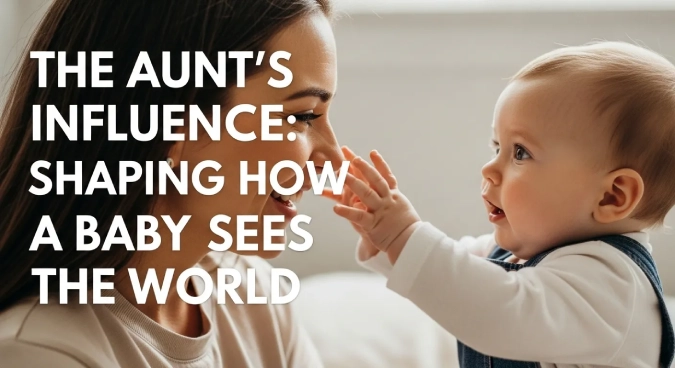
The answer is: a huge one. The aunt influence on baby development is profound. You are one of the very first people this child will ever know, and your presence does more than just help out the parents—it actively shapes how that tiny baby learns to see the world.
How Your Love Shapes Their Worldview
You might think you are just visiting, but you are actually building a foundation. Your consistent love and attention help a baby build their fundamental sense of safety and trust. You are teaching them that the world is a kind place, which is the most important lesson they will learn in their entire first year.
A baby’s brain is wired for connection. While parents are the center of their world, you expand that circle. As I write in my book, Auntie of the Year:
Your love, presence, and care help shape how they feel about the world.
This isn’t just a nice sentiment; it’s a developmental cornerstone. When you show up with gentle attention, you are actively teaching them to trust.
4 Simple Ways to Make a Baby Feel Secure
You don’t need to do anything complicated to have a positive impact. A baby’s sense of security is built on small, repeated moments of warmth and connection.
Here are four simple but powerful ways you can do this:
- Offer a Warm Tone: Babies may not understand your words, but they are experts at reading your tone of voice. Speaking to them in a soft, gentle, and happy way communicates safety.
- Use a Gentle Touch: Holding, cuddling, or gently rocking a baby provides incredible comfort. Your physical warmth tells their nervous system that they are protected.
- Be a Responsive Face: When a baby looks at you, make eye contact. When they coo, make a sound back. As confirmed by Center on the Developing Child at Harvard University, this “serve and return” interaction is essential for building a healthy brain.
- Just Show Up: Consistency is key. Your regular presence creates familiarity. The baby learns your face, your smell, and your voice, adding you to their very short list of “my safe people.”
Will They Even Remember This?
You might wonder if the time you spend together now matters if they won’t remember it later. While they won’t form specific memories like “I remember my aunt read me a book,” they are forming something far more important: foundational emotional memories.
In their first year, babies aren’t recording events; they’re learning feelings. They are building the emotional blueprint for what love, safety, and relationships feel like.
In this first year of life, they are learning if the world is a safe place. Your gentle attention tells them: yes, it is.
You aren’t creating a memory of an event; you are contributing to their lifelong memory of what it feels like to be loved. This early bond is the foundation of secure attachment, a concept I explore fully in my post: The “Secure Attachment” Secret: How Your Auntie Bond Shapes Their Future.
Frequently Asked Questions for Aunts
What if I live far away? Can I still build a bond?
Absolutely. While physical presence is wonderful, you can build familiarity and connection through video calls. Let the baby see your face and hear your voice regularly. Your consistent, warm presence, even through a screen, still communicates love and care.
What should I do if the baby cries when I hold them?
First, don’t take it personally! Crying is a baby’s main way of communicating. They could be tired, hungry, overstimulated, or gassy. Stay calm, use a soothing voice, and try different positions. If they’re still upset, handing them back to a parent isn’t a failure. It’s another way of showing you’re responsive to their needs.
How is my role as an aunt different from a parent’s?
Your role is special because you can offer pure, focused connection without the immense pressure and responsibility of primary parenting. You get to be a source of comfort, play, and joy. You are a safe and loving presence who represents the wonderful, wider world waiting for them.